
Digital Classroom Tools Built Around Teaching and Learning
Plan classroom technology that supports teachers, engages students and fits the institution's educational goals.
Moris AI Schools helps institutions connect AI teaching support, educational apps, digital resources and classroom systems with training and practical implementation.
01Part 1 of 7
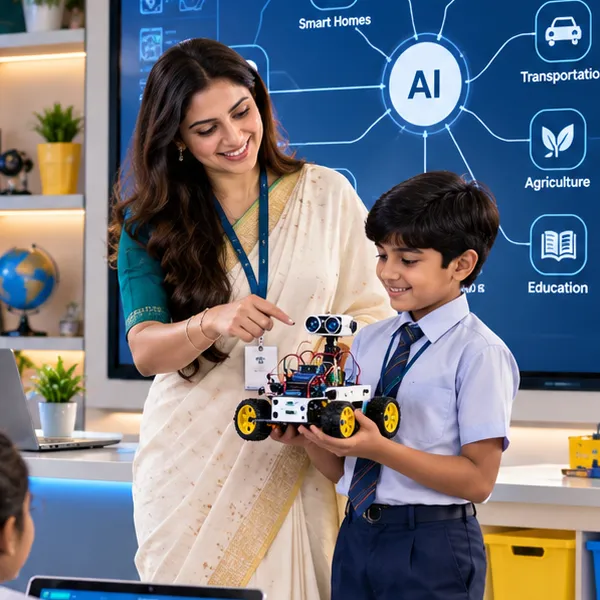
Start With the Learning Need Before Selecting Technology
Choose classroom tools based on teaching goals, learner needs, faculty readiness and the institution's existing environment.
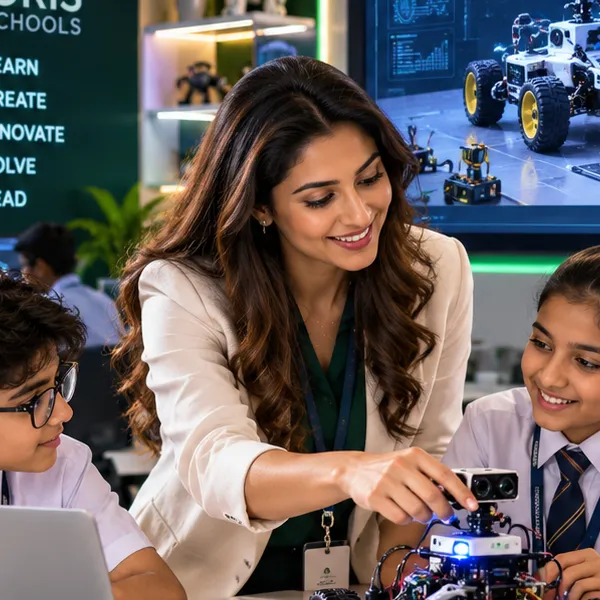
A digital classroom is useful only when its technology supports the way teachers teach and students learn. Moris AI Schools approaches classroom technology from the educational need first. An institution may require AI-assisted lesson support, interactive applications, digital learning resources, smart display systems, a digital library, an AI lab or administrative tools. The right combination depends on the age group, curriculum, faculty readiness, infrastructure and goals of the institution.
The first step is to define the learner or institution, the problem being addressed and the result expected. This prevents AI education from becoming a collection of unrelated tools. In Columbus, the same principle can help a school, college, university or individual decide what should be learned first and what can wait. Clear priorities also make it easier to select suitable training, infrastructure and support.
02Part 2 of 7
AI Teaching Assistants Can Support Daily Classroom Work
Use AI assistance for preparation, explanations and practice while keeping teachers responsible for final judgement.
The work can include planning, integration, application development and educator preparation. Moris AI Schools can help institutions think about how tools will be used during a normal school or college day, not only how they look during a demonstration. Teachers need to know how to operate the system, how to respond when technology produces a weak answer and how to keep students actively involved. Administrators need clear responsibilities for access, maintenance and review.
Different age groups and professional roles require different levels of explanation and supervision. Younger learners need structured, age-appropriate activities. Older students can take on projects that require research, evaluation and presentation. Educators need methods they can use with their own learners. Professionals need examples connected with their responsibilities. Moris AI Schools keeps these differences visible when learning plans are prepared.
03Part 3 of 7
Educational Apps Should Make Learning Clearer and Engaging
Build or integrate applications around useful activities, age-appropriate interaction and the needs of students and teachers.
This approach applies across private schools, government schools, educational institutes, colleges, universities and e-learning environments. Different institutions have different budgets, policies and existing systems, so implementation should be planned around actual conditions. Technology should add educational value, reduce avoidable friction and create more useful ways for learners to participate.
Practical exposure should include the habit of checking AI output. Learners should be able to question an answer, compare it with trusted information, identify missing context and decide whether human expertise is required. This is especially important in education because a fluent response can still be incomplete or incorrect. Responsible learning therefore includes verification, privacy awareness and clear accountability.
Practical Application
Learning connects concepts with guided tasks so participants can practise, review results and understand how AI fits real educational or working responsibilities.
Human Review
Teachers, learners and professionals remain responsible for checking information, protecting context and deciding when expert judgement should take priority.
Role Relevance
Examples and activities are matched to the learner's role so training stays connected with classrooms, institutions, careers or business responsibilities.
Ongoing Support
Institutions can connect initial learning with further training, classroom systems, labs, digital resources or practical exposure as their needs develop.
04Part 4 of 7
Digital Libraries Extend Access Beyond the Physical Classroom
Organize learning resources so students and faculty can find, use and review material through a structured digital system.

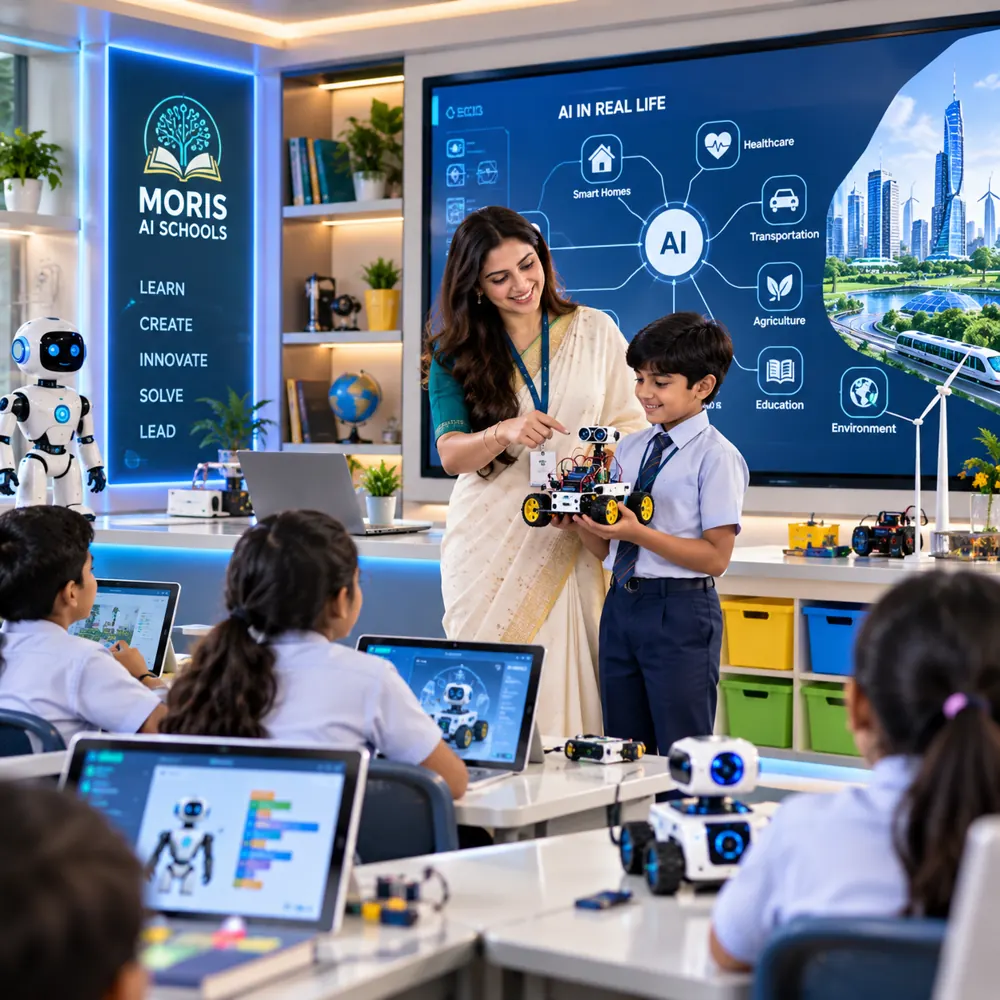
A digital classroom is useful only when its technology supports the way teachers teach and students learn. Moris AI Schools approaches classroom technology from the educational need first. An institution may require AI-assisted lesson support, interactive applications, digital learning resources, smart display systems, a digital library, an AI lab or administrative tools. The right combination depends on the age group, curriculum, faculty readiness, infrastructure and goals of the institution.
For institutions across Ohio, adoption also depends on people. A classroom system will have limited value if teachers are uncomfortable using it or if students do not understand the rules. Training, orientation, support and review need to be part of implementation. Moris AI Schools can connect these elements so that technology decisions and learning decisions are not made separately.
05Part 5 of 7
AI Labs Give Students Space for Practical Exploration
Create environments where learners can test ideas, work on projects and understand AI through supervised hands-on activity.
The work can include planning, integration, application development and educator preparation. Moris AI Schools can help institutions think about how tools will be used during a normal school or college day, not only how they look during a demonstration. Teachers need to know how to operate the system, how to respond when technology produces a weak answer and how to keep students actively involved. Administrators need clear responsibilities for access, maintenance and review.
The connection with real work becomes particularly important for college students, university students and professionals. Learning should help participants understand how teams operate, how tasks are reviewed and how quality is judged. Where relevant programs provide practical exposure or internships, learners can see how their interests and abilities fit different roles instead of making career choices only from job titles or theory.
Practical Application
Learning connects concepts with guided tasks so participants can practise, review results and understand how AI fits real educational or working responsibilities.
Human Review
Teachers, learners and professionals remain responsible for checking information, protecting context and deciding when expert judgement should take priority.
Role Relevance
Examples and activities are matched to the learner's role so training stays connected with classrooms, institutions, careers or business responsibilities.
Ongoing Support
Institutions can connect initial learning with further training, classroom systems, labs, digital resources or practical exposure as their needs develop.
06Part 6 of 7
Implementation Includes Training, Support and Ongoing Review
Make classroom technology usable by preparing educators, setting responsible-use practices and reviewing what works in daily teaching.
This approach applies across private schools, government schools, educational institutes, colleges, universities and e-learning environments. Different institutions have different budgets, policies and existing systems, so implementation should be planned around actual conditions. Technology should add educational value, reduce avoidable friction and create more useful ways for learners to participate.
In 2026, the important question is not whether AI exists in education and work, but whether people know how to use it with judgement. Moris AI Schools focuses on building that judgement through explanation, practice and support. Readers can use this page to identify the next useful step, whether that is further learning, teacher development, classroom planning, institutional consultation or professional training.
07Part 7 of 7
Classroom Technology Planning Must Include People and Process
Prepare teachers, administrators and learners so tools become part of daily education rather than unused equipment.
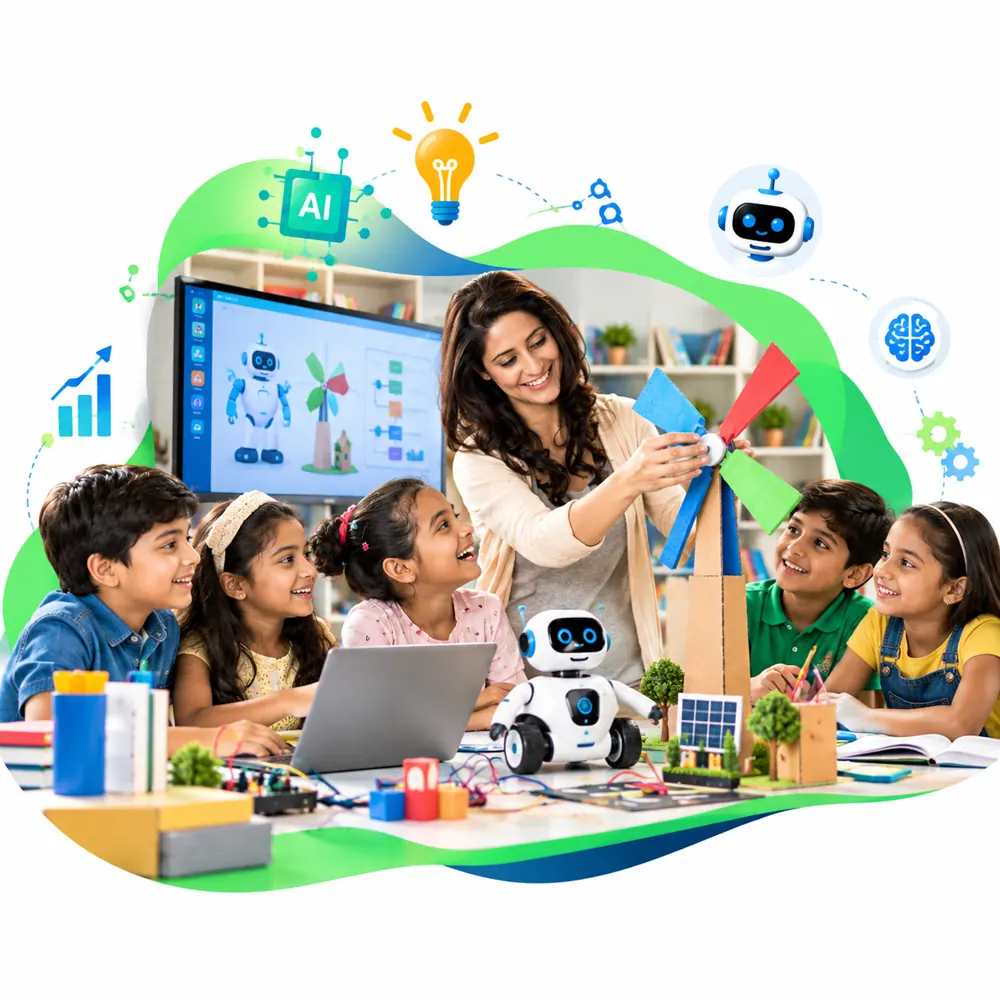
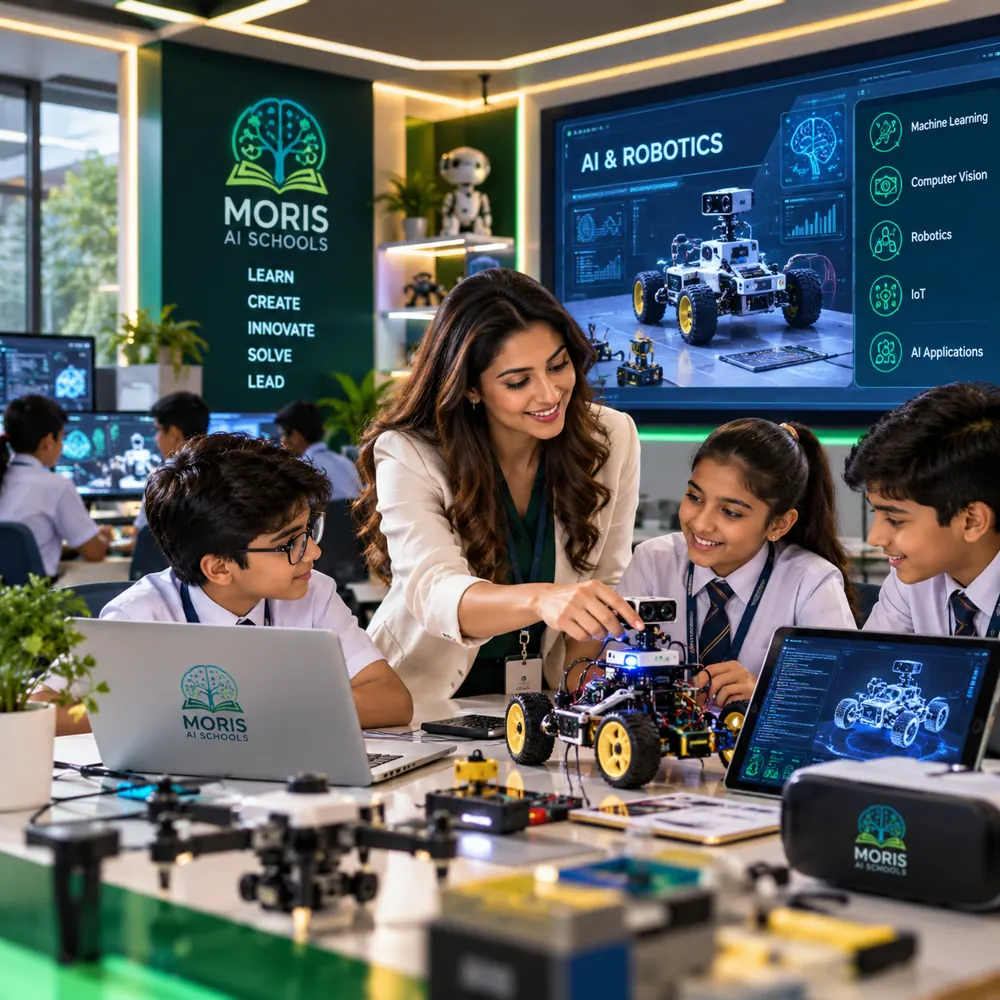
The success of classroom technology depends on what happens after installation. Teachers need enough familiarity to use tools without interrupting the flow of a lesson. Students need clear instructions about appropriate use. Administrators need to know who manages access, support and updates. Parents may need communication about how technology supports learning. Without these practical arrangements, even capable systems can remain underused.
Moris AI Schools can connect technology planning with educator training and institutional support. This can include orientation before launch, practical demonstrations, guided classroom use and review after implementation. The purpose is to identify problems early and help staff build confidence through repeated use. For larger institutions, different departments or campuses may require different levels of support.
Plan Your Next Practical Learning Step
Move from information to a clear learning, classroom or institutional action plan.
Speak with Moris AI Schools about the learning, training or technology support that fits your role and current needs without adding unnecessary complexity.

Bring Practical AI Into Your Institution
Tell us where your institution stands today. We will understand the requirement before suggesting the next step.
Institution Transformation Enquiry
Tell Us What You Need
Thank you
Your enquiry has been received. The Moris AI Schools team will review your requirement and connect with you.
More in Learn
Back to Home
Learn how AI can support students, educators, institutions and professionals in real settings.
Explore
Choose structured learning for students, educators, professionals and institutions based on practical needs.
Explore
Read clear guidance for students, educators, institutions and professionals without unnecessary technical language.
Explore
Build useful AI skills through practical learning designed for real education and work.
Explore